Top 10 Least (and Most) Ideal Spots for Cultivating Tomatoes
Growing Successful Tomatoes: A Guide to Ideal Planting Locations
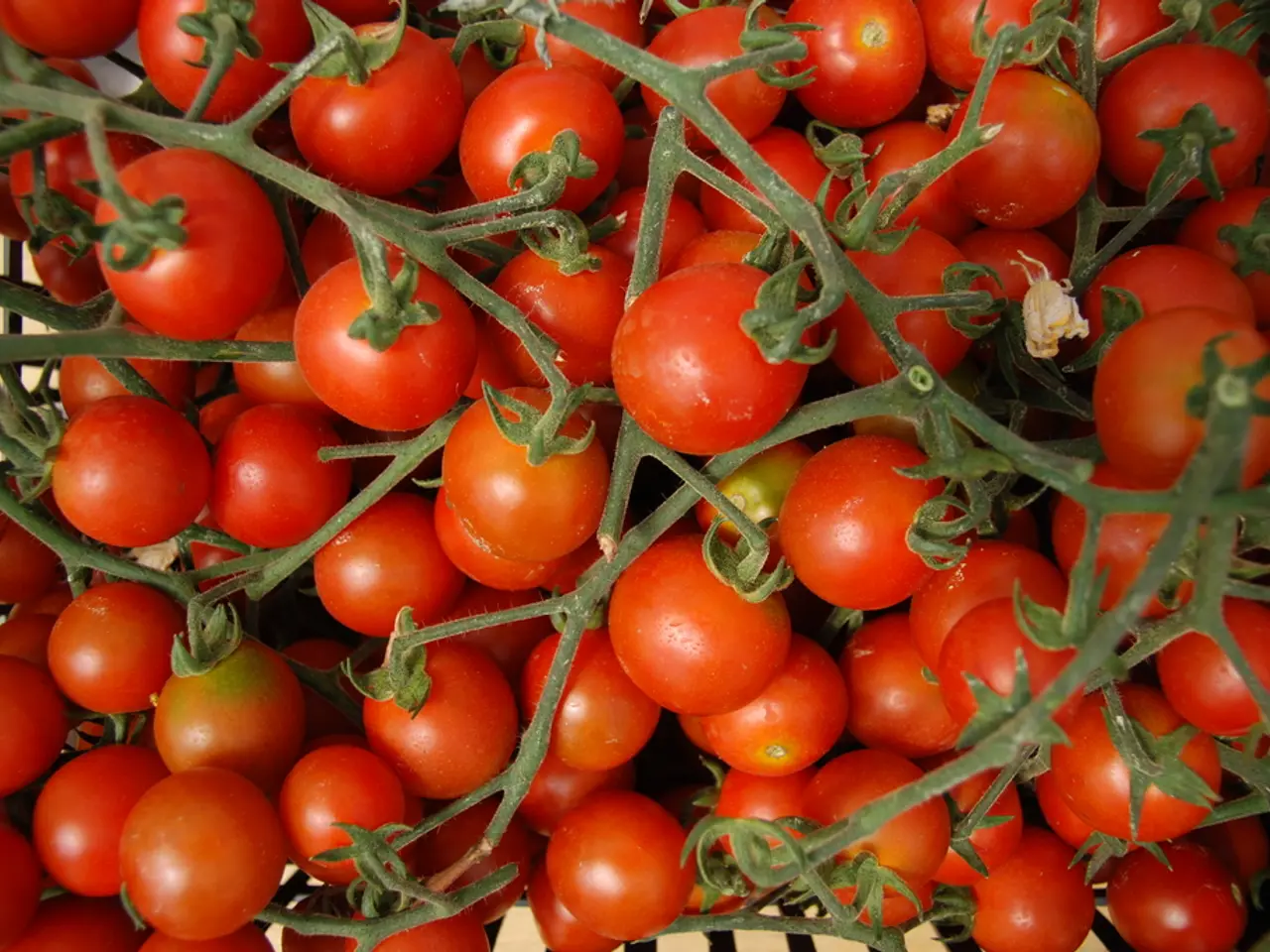
Tomatoes are sun-loving plants that thrive in the right conditions. To ensure a bountiful harvest of lush, flavorful tomatoes, it's essential to choose the perfect location for your garden. Here are some key factors to consider when selecting a spot for your tomato plants.
The Importance of Sunlight
Tomatoes require a minimum of 6-8 hours of direct sunlight daily for growth, photosynthesis, and fruit production. A south-facing wall or fence can create a microclimate that tomatoes love, promoting faster growth and extending the growing season. Shady areas, on the other hand, are not suitable for tomatoes as they require intense light for growth and fruit production.
Soil Quality and Drainage
Tomatoes grow best in loose, well-draining soil that holds moisture but doesn't become waterlogged or compacted. Incorporating organic matter like peat moss or rice hulls can lighten heavy clay soil. Raised beds are ideal for tomato plants due to faster warming in spring, excellent drainage, and control over soil quality. Avoid spots with waterlogging; raised beds are beneficial.
Temperature Considerations
For direct seeding, the soil should be consistently above 60°F (16°C). Cold, damp, or unstable weather conditions during planting can prevent seed germination or stunt early growth.
Air Circulation and Protection
Good airflow reduces the risk of disease, while protection from extreme weather, pests, and disease-prone areas is crucial. Use sturdy cages or stakes to support plants and protect them from damage in windy areas. Plant near natural windbreaks like fences, hedges, or shrubs for wind protection.
Space Requirements
Ensure there is sufficient room for plant growth and maintenance. Containers or grow bags offer a flexible way to grow tomatoes in limited space, with at least 5 gallons of container space per plant recommended.
Rotating Crops
Rotating crops from year to year allows the soil to replenish itself, preventing nutrient depletion and encouraging soil-borne disease resistance.
Avoiding Problem Areas
Avoid problem areas like shaded spaces or black walnut trees for tomato plants. Black walnut trees release juglone, a chemical toxic to many plants, including tomatoes, so it's best to maintain a radius of at least 50 feet between them and garden beds.
Pest Management
Using organic pest control offers an eco-friendly way to combat pests. Planting dill nearby can attract parasitic wasps, which prey on cabbage worms. Intercropping with onions can help repel these pests. Handpicking or introducing predatory insects can keep larger pests populations in check.
Watering and Mulching
Deep watering promotes robust roots, while inconsistent watering can lead to issues like blossom end rot or splitting. Mulching conserves moisture, prevents soil erosion, and suppresses weeds. Regular, consistent watering (1-2 inches weekly) keeps tomatoes happy.
Companion Planting
Companion plants like basil, marigolds, chives, and nasturtiums can benefit tomatoes by repelling pests, attracting pollinators, or enhancing flavor. Planting tomatoes near broccoli, however, can increase susceptibility to flea beetles and caterpillars.
By carefully considering these factors, you can cultivate a thriving tomato garden that will reward you with bountiful harvests of delicious, homegrown tomatoes.
- Incorporate raised beds into your garden for ideal tomato planting, as they provide faster warming in spring, excellent drainage, and control over soil quality.
- For a rich harvest of delicious vegetables, consider companion planting herbs like basil and marigolds, as they can repel pests and attract pollinators.
- When choosing the location for your tomato garden, select a spot with at least 6-8 hours of direct sunlight daily for optimal growth, photosynthesis, and fruit production.
- Rotating crops from year to year prevents nutrient depletion and encourages soil-borne disease resistance, leading to a healthier and more productive garden.
- To combat pests in your home-and-garden eco-friendly lifestyle, use organic pest control methods such as handpicking pests, introducing predatory insects, or planting dill to attract parasitic wasps.
- To extend the growing season and promote faster growth, consider planting tomatoes near a south-facing wall or fence, which can create a microclimate ideal for these sun-loving plants.
- To create a beautiful and productive garden, consider incorporating flowers like nasturtiums not only for their pest-repelling benefits but also for their decorative qualities, enhancing the overall appeal of your home-and-garden lifestyle.



%20Ideal%20Spots%20for%20Cultivating%20Tomatoes)